
The Ultimate Guide to Melanin-Rich Skin: Care, Science & Nutrition
Discover what makes melanin-rich skin unique and how to care for it properly. We share a complete skincare routine and the best foods to eat for a lasting glow.
SKINCARE
Janette (janette@melaninbeautyguide.com
2/24/20266 min read
The Beauty of Melanin: A Complete Guide to Caring for Rich Skin Tones
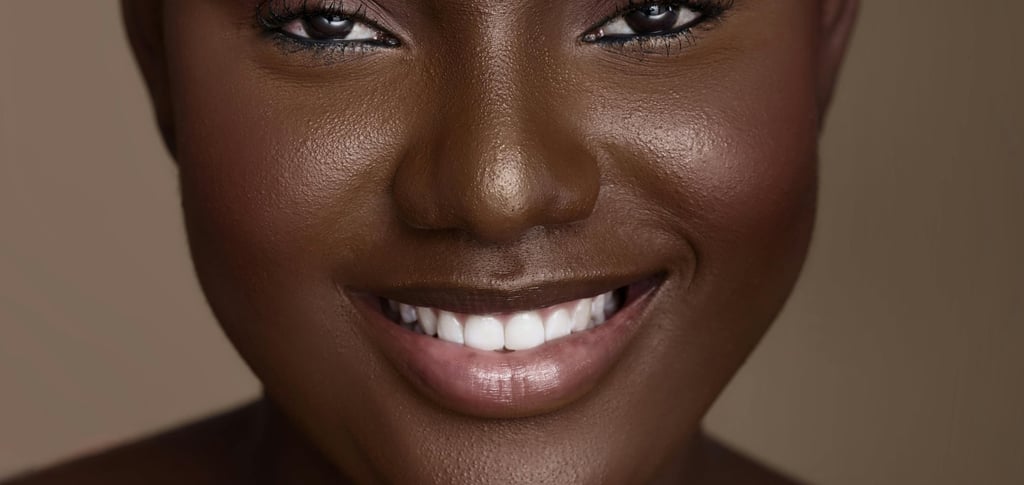
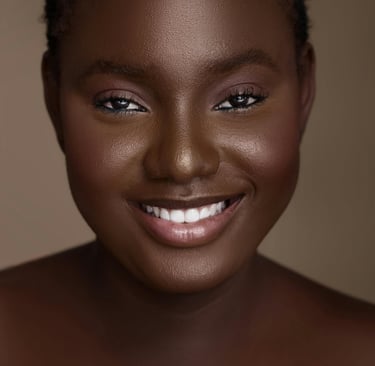
There is a beautiful diversity in human skin, but if you have melanin-rich skin, you possess a biological marvel. That natural glow isn't just for looks—it's a sign of complex biology at work.
However, there is a lot of misinformation out there. For decades, skincare advice was tailored for lighter skin tones, leaving those with deeper complexions guessing. The truth is, skin with higher melanin content has unique strengths and specific vulnerabilities.
Whether your skin is deep ebony, caramel, or olive, understanding how it functions is the first step to making it glow for a lifetime. Here is your guide to what makes melanin-rich skin special, how to build a routine that works for you, and the foods you need to eat to preserve it.


What Makes Melanin-Rich Skin Different?
To care for your skin, you have to look at it on a microscopic level.
1. The Built-In Shield (And Its Limits)
Melanin is nature's sunscreen. It does a fantastic job of protecting the skin from UV damage and slows down the visible signs of aging. This is why people with darker skin tones often develop wrinkles later than those with fair skin.
2. The Reactivity Factor
While melanin protects against the sun, it also makes the skin highly reactive. If you get a cut, a pimple, or even a bad reaction to a product, your skin produces extra melanin to heal the spot. This leads to hyperpigmentation—those dark marks that linger long after the pimple is gone .
3. The Water Retention Issue
Studies show that melanin-rich skin has a more complex lipid (fat) barrier. While this is great for keeping germs out, it can sometimes make it harder for the skin to retain water, leading to a specific type of dryness that looks ashy or feels tight.
The Proper Way to Care for This Skin Type
Knowing the science is one thing; knowing what to put on your face is another. Here is a simplified routine designed to address the specific needs of melanin-rich skin.
Step 1: The Gentle Cleanse
Many people with oily skin tend to over-wash, stripping the skin completely. This triggers inflammation—the main cause of dark spots.
The Habit: Wash your face only twice a day with lukewarm water.
The Product: Look for a "sulfate-free" cleanser with moisturizing ingredients.
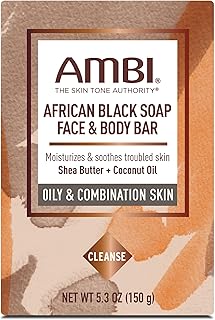
Try this: Ambi African Black Soap Bar – It is enriched with shea butter and coconut oil to cleanse without stripping moisture.
[Check for Ambi African Black Soap Bar here]
Step 2: The Hyperpigmentation Protocol
This is the most important step for maintaining an even tone. You need ingredients that tell the pigment-producing cells to calm down.
Vitamin C: Use this in the morning. It is a brightening antioxidant that fades dark spots and protects against pollution.
Niacinamide: This acts as a traffic cop, stopping pigment from reaching the surface of the skin .
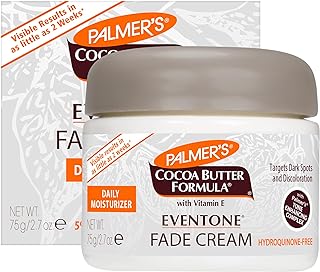
Try this: Palmer‘s Cocoa Butter Formula Eventone Fade Cream – It combines cocoa butter with Vitamin E and Niacinamide to target dark spots without harsh bleach.
[Check for Palmer's Fade Cream here]
Step 3: The "Ashy" Fix (Moisture)
Because the skin barrier is complex, it needs the right kind of hydration to stay smooth.
The Habit: Apply moisturizer to damp skin. This traps the water in your cells.
Look For: Ingredients like shea butter, ceramides, and hyaluronic acid.
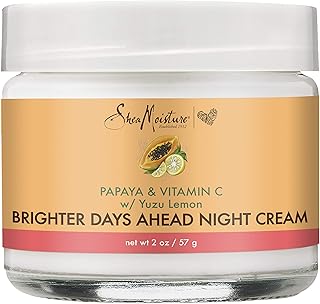
Try this: SheaMoisture Melanin Care Night Repair Cream – Formulated with Pro-Ceramides and niacinamide to support the moisture barrier overnight
Step 4: The Sunscreen Myth Buster
"Yes, you need it." Melanin gives you about SPF 13 naturally, but that is not enough to prevent hyperpigmentation or skin cancer. Sunscreen is the only way to ensure that dark spot you faded doesn't come back.
What to Buy: Look for sunscreens labeled "Sheer" or "Invisible" to avoid the white cast that mineral sunscreens can leave.
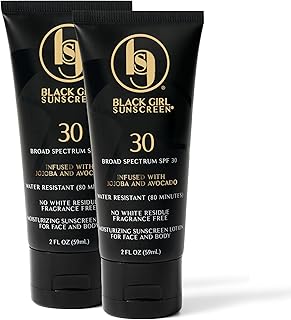
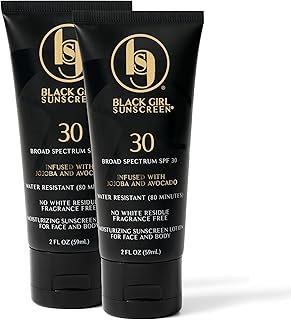
Try this: BLACK GIRL SUNSCREEN SPF 30 – Specifically formulated for melanin-rich skin, it leaves no white residue and doubles as a moisturizer with jojoba and avocado oil.
Nutritional Habits That Preserve Your Skin
Skincare isn't just about what you put on your body; it is about what you put in it. To keep your melanin-rich skin strong and glowing, focus on these three nutritional habits.
1. Snack on Seeds for Healing
You don't always need a fancy supplement. Sometimes the best skin food is in the bulk bin.
The Fix: Pumpkin seeds are full of zinc, which helps with skin healing and breakouts, and magnesium, which calms the nervous system.
Try this: Terrasoul Organic Pumpkin Seeds
2. Healthy Fats for a Healthy Barrier
Remember how we said the lipid barrier in darker skin is complex? It needs fuel to stay strong. If your skin is chronically dry, you might not be eating enough healthy fats.
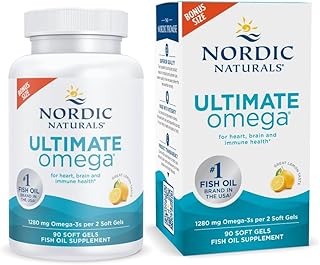
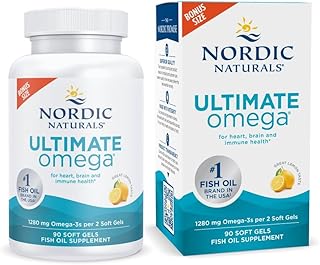
The Fix: Omega-3s improve circulation and help with skin hydration and mood.
Try this: Nordic Naturals Omega-3 Fish Oil
3. Sip for Brightness
Hydration shows up in your skin. Dehydration often appears in melanin-rich skin as a dull, gray cast.
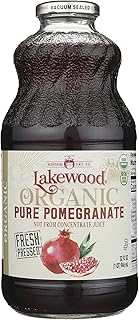
The Fix: Pomegranate juice is packed with antioxidants that fight inflammation and keep you glowing from the inside out.
Try this: Lakewood Organic Pomegranate Juice
Quick Routine Summary
The information in this article was synthesized from peer-reviewed dermatology journals, news reports from medical conferences, and expert interviews published in reputable health publications.
Sources:
Larocca, C. A., Kundu, R. V., & Vashi, N. A. (2014). Physiologic pigmentation: Molecular mechanisms and clinical diversity. Pigment International, 1(2), 44-51.
Del Bino, S., & Duval, C. (2018). Clinical and Biological Characterization of Skin Pigmentation Diversity and Its Consequences on UV Impact. International Journal of Molecular Sciences, 19(9), 2668.
Alexis, A. (2025). Melasma and other hyperpigmentation disorders [Conference presentation]. 2025 Fall Clinical Dermatology Conference, Las Vegas, NV, United States. Reported in Dermatology Times.
Del Bino, S., & Duval, C. (2018). International Journal of Molecular Sciences.
Siahaan, J. M., et al. (2024). Carotenoids in red fruit (Pandanus conoideus Lam.) have a potential role as an anti‑pigmentation agent (Review). Biomedical Reports, 20(3), 54.
Weerasinghe, W. M. S. C., et al. (2025). Underutilized Asian Fruits as Functional Foods: Pharmacological Properties and Role in Tyrosinase Inhibition and Melanin Regulation. Journal of Future Foods.
Patterson, A. (2025). Expert interview featured in "Best Skin-Care Products for Black Skin." AARP. Reported by United Derm Partners.
Apollo 24|7 (2026). How To Reduce Melanin In Face? [Health Information Article].
Park, J., et al. (2024). Inhibitory Effects of Fermented Sprouted Oat Extracts on Oxidative Stress and Melanin Overproduction. Antioxidants, 13(5), 544.
Disclaimer: This article contains affiliate links. If you purchase through these links, we may earn a small commission at no extra cost to you. This helps support our blog and allows us to continue creating free content. All products are selected based on their suitability for melanin-rich skin as reviewed in various skincare guides .
Always seek advice from your medical practitioner where necessary
The Bottom Line
Melanin-rich skin is a powerful asset, but it requires a thoughtful approach. By focusing on calming inflammation, maintaining a strong moisture barrier, and feeding your body the right nutrients, you can ensure your skin remains resilient and radiant at every age.
Remember, consistency beats intensity. Stick to the basics, protect your tone, and your glow will do the rest.